
Clinic Mold Remediation
Professional mold removal and remediation to restore safe, healthy indoor spaces.
Clinic Mold Remediation in Belleair Beach, FL specializes in addressing mold growth in homes by containing, removing, and preventing regrowth. Using trained techniques, they identify affected areas, safely eliminate spores, and treat surfaces to ensure thorough cleanup and long-term protection.
When to call for mold remediation
Mold growth in a home often starts as a small, isolated patch that can be wiped down. However, certain signs indicate the problem has grown beyond a simple cleanup.
We also handle Sunroom Mold Remediation and Closet Mold Cleanup for Belleair Beach properties.
If mold covers more than a small area — Florida state guidelines suggest 25 contiguous square feet — it is typically past the DIY stage and requires professional intervention.
Recurring mold in the same spot after cleaning usually means the moisture source hasn’t been addressed. A musty smell with no visible mold often signals hidden growth, especially if the odor intensifies when the HVAC system runs. These are clear indicators that professional remediation is needed to prevent further spread.
Signs You Need Mold Remediation
- Mold covers more than a small, isolated patch (25+ square feet).
- Mold keeps returning in the same spot after cleaning.
- A musty smell is present with no visible mold, especially near HVAC vents.
- Visible mold is black, green, or brown and fuzzy in texture.
What to expect during remediation
Professional mold remediation follows a structured process to ensure spores are contained and removed safely. The work area is sealed off with plastic sheeting and negative-air machines to prevent spores from spreading to unaffected areas. This containment is critical to stopping the mold from migrating through hallways or HVAC systems.
After containment, affected porous materials like drywall, insulation, and carpet padding are removed and bagged, while non-porous materials like tile and framing are cleaned and treated. Industrial dehumidifiers and air movers are used to dry structural components thoroughly, as lingering moisture can lead to regrowth.
Pricing and process considerations
Pricing for mold remediation varies depending on the size of the affected area, the materials involved, and the need for containment or clearance testing. Unlike commercial projects, residential pricing is typically quoted per square foot or as a flat rate for smaller jobs.
Hidden mold or extensive structural work can increase costs, so a thorough inspection is essential before any work begins.
Always ask for a detailed written scope of work before agreeing to any remediation. This document should outline what is included, such as containment, removal, drying, and clearance testing. A low bid that excludes these steps may end up costing more later if the mold returns or spreads.
| Factor | Impact on Pricing |
|---|---|
| Size of affected area (square footage) | Larger areas increase labor and material costs. |
| Porous vs. non-porous materials | Removing porous materials like drywall costs more than cleaning tile or framing. |
| Containment and clearance testing | Often priced separately; essential for confirming remediation effectiveness. |
| Hidden mold or structural damage | May require additional labor and materials, increasing the total cost. |
How mold remediation works
Professional mold remediation follows a structured process to safely contain, remove, and prevent regrowth.
- 1Containment
The affected area is sealed off with plastic sheeting and negative-air machines to prevent spores from spreading to other parts of the home.
- 2Removal
Porous materials like drywall and insulation are cut out and bagged, while non-porous surfaces are cleaned and treated to eliminate mold.
- 3HEPA Filtration
HEPA-filtered air scrubbers and vacuums are used to capture spores during removal, preventing them from circulating back into the air.
- 4Structural Drying
Industrial dehumidifiers and air movers dry framing and subfloors to normal moisture levels, reducing the risk of regrowth.
- 5Clearance Testing
An independent lab tests air or surfaces to confirm spore counts are within normal ranges before containment is removed.
Frequently asked questions
Can I clean small mold patches myself, or should I call a professional?
Small, isolated patches (under 25 square feet) can often be cleaned with household products like vinegar or bleach. However, if the mold covers a larger area, keeps returning, or you notice a musty smell with no visible growth, professional remediation is recommended to prevent further spread.
What should I do if I find mold in my walls or behind my shower?
Hidden mold often requires professional assessment to determine the extent of the problem. Attempting to clean it yourself may spread spores, so contacting a remediation specialist is the safest approach. They can inspect, contain, and treat the affected area properly.
How do I know if the mold has been fully removed after remediation?
A professional remediation should include clearance testing by an independent lab to confirm spore counts are back to normal levels. Without this step, there’s no way to verify whether the mold has been fully eliminated.
What can I do to prevent mold from returning after remediation?
Fixing the moisture source—such as leaks, condensation, or poor grading—is the best way to prevent regrowth. After remediation, monitor humidity levels in the affected area and use fans or dehumidifiers in persistently damp spaces, like windowless bathrooms or basements.
Where Belleair Beach sits, and what the Census lists nearby
Belleair Beach sits in Florida, and the closest places listed in the U.S. Census Gazetteer are Belleair Shore (1.1 miles southwest), Belleair Bluffs (1.3 miles southeast), Belleair (1.5 miles east), Harbor Bluffs (1.7 miles south).
Within 25 miles of Belleair Beach the same source lists 55 distinct incorporated places and census-designated places.
Those figures matter for clinic mold remediation because they are straight-line distances between Census coordinate points: road mileage between Belleair Beach and Belleair Shore runs longer than the 1.1 miles shown, which is why quotes for the same job differ between towns that look close together on a map.
Source: U.S. Census Bureau Gazetteer.
See Largo, FL for more, or discover the mold remediation work we do around Belleair Beach by service type for our complete lineup.
Ready to get started?
Talk to a local mold remediation pro in Belleair Beach — get a written quote.
Other Mold Remediation Services in Belleair Beach
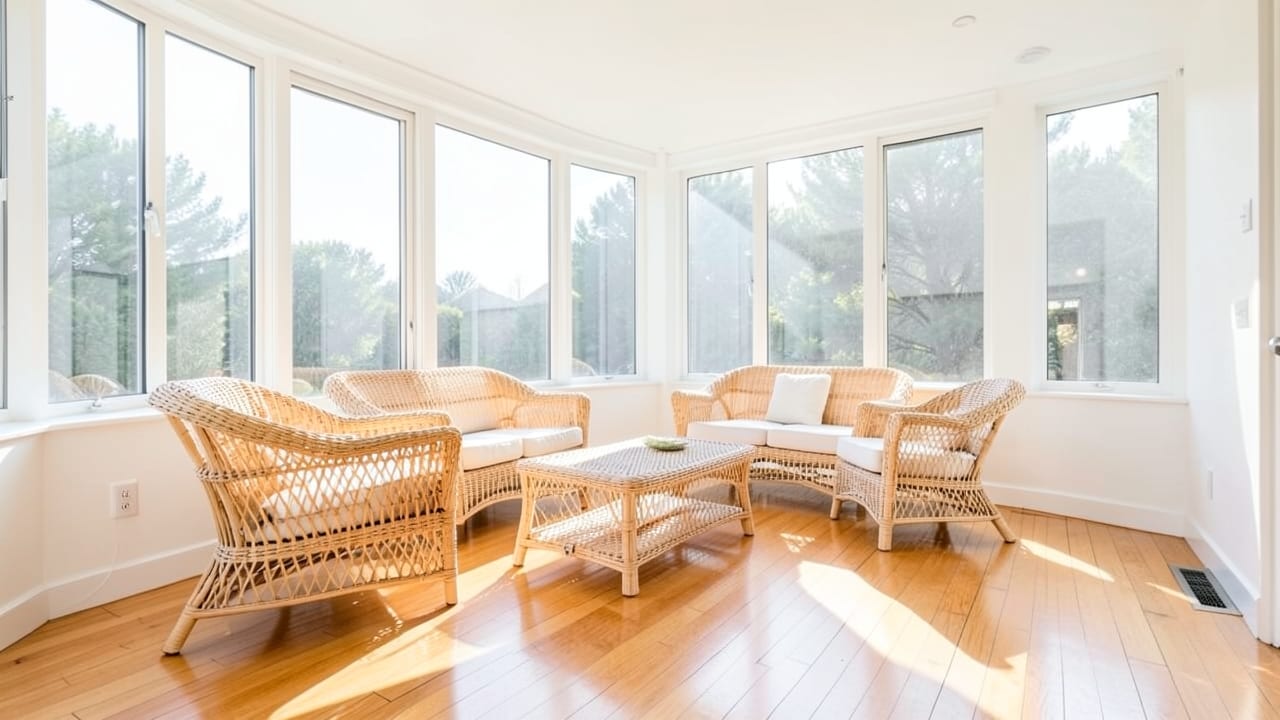
Sunroom Mold Remediation in Belleair Beach, FL
Professional removal and treatment of mold in sunrooms to restore a safe, clean space.
Learn More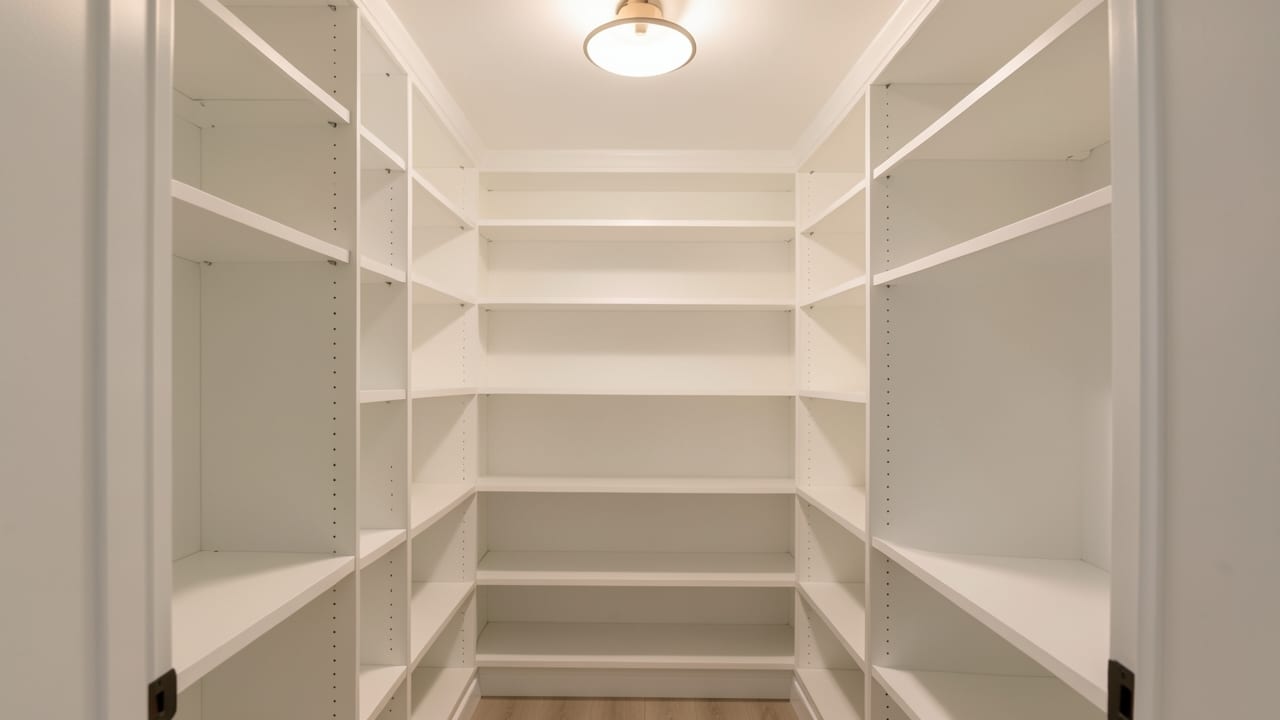
Closet Mold Cleanup in Belleair Beach, FL
Professional cleanup and removal of mold from closets to restore safe, healthy spaces.
Learn More
Pantry Mold Treatment in Belleair Beach, FL
Professional assessment and removal of mold in pantry areas to restore a safe, clean space.
Learn More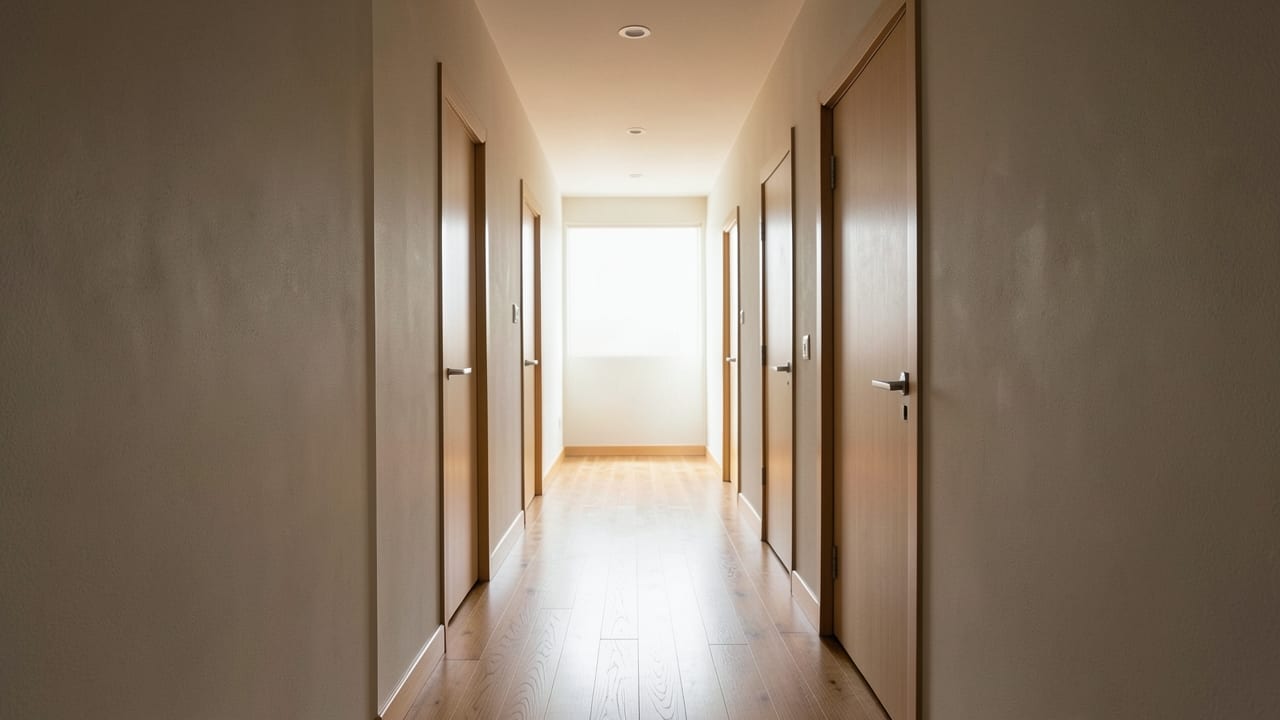
Hallway Mold Remediation in Belleair Beach, FL
Professional removal and treatment of mold growth in residential hallways.
Learn More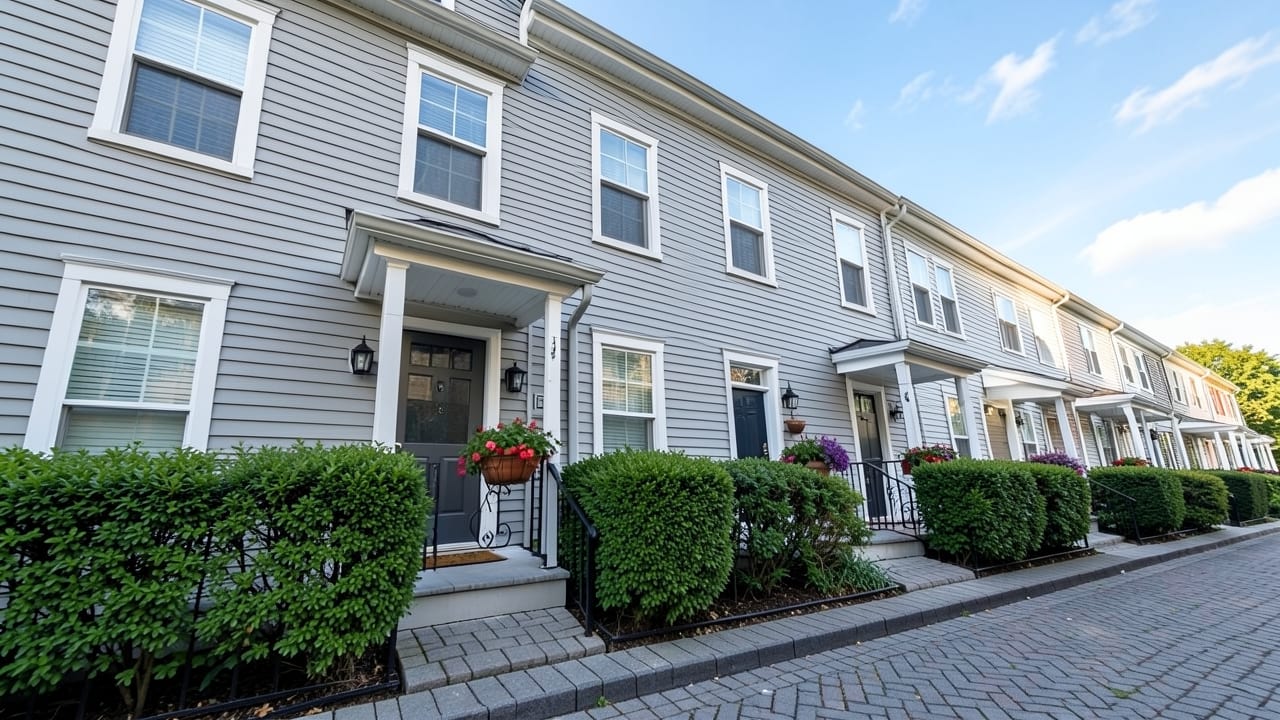
HOA Mold Remediation in Belleair Beach, FL
Professional mold removal and remediation for HOA properties to restore safe, healthy living conditions.
Learn More
Condo Mold Remediation in Belleair Beach, FL
Professional removal and treatment of mold in condominiums to restore safe, healthy living spaces.
Learn MoreCommon Questions About Mold Remediation in Belleair Beach
Everything you need to know about mold remediation services in Belleair Beach
How much does Clinic Mold Remediation typically cost in Belleair Beach, FL?
Why does Belleair Beach, FL's humidity make mold a bigger risk than in drier regions?
Can mold growing inside HVAC ductwork spread to the rest of a home?
Does mold mean the same thing as mildew?
Does homeowners insurance typically cover mold remediation?
Is black mold actually more dangerous than other mold types?
Need Mold Remediation in Belleair Beach?
Connect with local providers in Belleair Beach for a detailed quote.
⏰ We answer your call • Serving all of Belleair Beach and surrounding areas