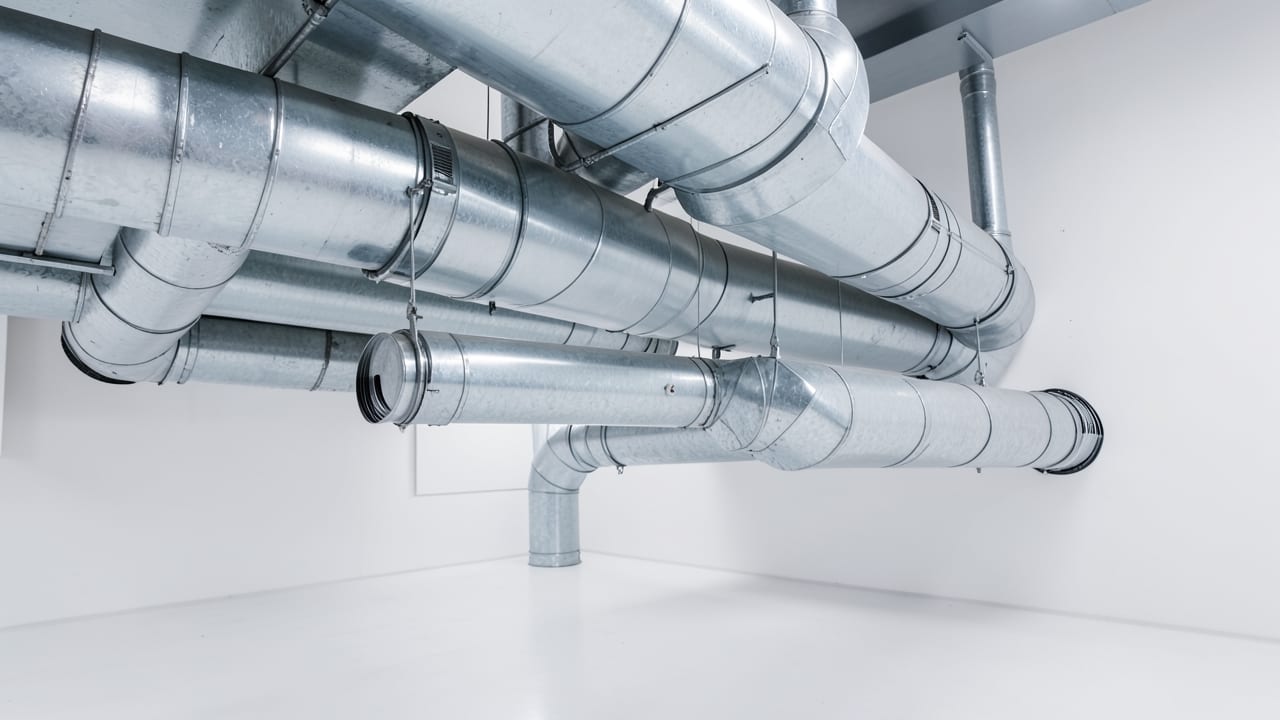
HVAC Mold Remediation
HVAC and ductwork mold remediation in Belleair Beach, FL — mold growing inside the air handler or duct system, spreading through every vent.
HVAC mold remediation in Belleair Beach, FL targets mold growth inside ductwork, coils, or air handlers, preventing spores from circulating through your entire home. Our process addresses the source, contains contamination during cleaning, and fixes moisture issues to stop regrowth in our humid climate.
Why HVAC mold is different
Mold in your HVAC system isn’t just a surface issue—it’s hidden inside ductwork, coils, or the air handler. Every time your system runs, it can push spores into every room, affecting air quality far more than wall or crawl space mold.
We also handle Pest Infestation Mold Remediation and Storm Damage Mold Cleanup for Belleair Beach properties.
Signs like a musty smell when the system turns on, condensation in ducts, or a damp cooling coil between cycles indicate mold is thriving where you can’t see it. In Belleair Beach’s humid subtropical climate, this problem spreads fast without professional intervention.
| Sign You Notice | What It Means |
|---|---|
| Musty odor when HVAC starts | Mold spores are circulating from contaminated ductwork or coil |
| Visible condensation in vents or ducts | Moisture is feeding mold growth inside the system |
| Cooling coil stays damp between cycles | Poor drainage or high humidity is creating a mold-friendly environment |
| Increased allergies or respiratory issues | Spores from HVAC mold are spreading through your home |
What affects cost and timing
Pricing depends on the size of your system, the extent of contamination, and whether ductwork needs replacement. Accessibility—like attic or crawl space ducts—can also impact labor time.
Fixing the underlying moisture source (e.g., a clogged condensate drain or improperly insulated ducts) is non-negotiable. Skipping this step leads to rapid regrowth, especially in Belleair Beach’s humid, hurricane-prone climate.
How HVAC mold remediation works
Our process ensures spores aren’t spread during cleanup and addresses the root cause to prevent return.
- 1Containment Setup
Seal supply and return vents with plastic sheeting and negative air pressure to prevent spores from spreading during remediation.
- 2Inspection and Testing
Identify the extent of contamination and locate moisture sources, such as clogged drains or poorly insulated ducts.
- 3Cleaning and Treatment
Clean or replace affected ductwork, coils, and air handler interiors using HEPA vacuums and antimicrobial treatments.
- 4Moisture Source Repair
Fix the underlying issue—e.g., unclog drains, improve insulation, or adjust humidity controls—to stop regrowth.
- 5Post-Remediation Verification
Conduct air sampling or visual checks to confirm mold levels are within safe limits before removing containment.
Frequently asked questions
How do I know if my HVAC system has mold or if it’s just dust?
A musty smell when the system runs, visible condensation, or increased allergies are strong indicators. A professional mold inspection with air sampling can confirm if the HVAC is the source.
Can I clean HVAC mold myself?
No. DIY attempts can spread spores throughout your home. Professional remediation includes containment, specialized cleaning, and moisture fixes to ensure the problem is fully resolved.
Will mold come back after remediation?
Only if the moisture source isn’t addressed. In Belleair Beach’s climate, fixing drainage, insulation, or humidity controls is critical to prevent regrowth.
How long does HVAC mold remediation take?
Most jobs take 1–3 days, depending on the size of your system and the extent of contamination. Larger homes or severe cases may require more time.
Where Belleair Beach sits, and what the Census lists nearby
Belleair Beach sits in Florida, and the closest places listed in the U.S. Census Gazetteer are Belleair Shore (1.1 miles southwest), Belleair Bluffs (1.3 miles southeast), Belleair (1.5 miles east), Harbor Bluffs (1.7 miles south).
Within 25 miles of Belleair Beach the same source lists 55 distinct incorporated places and census-designated places.
Those figures matter for hvac mold remediation because they are straight-line distances between Census coordinate points: road mileage between Belleair Beach and Belleair Shore runs longer than the 1.1 miles shown, which is why quotes for the same job differ between towns that look close together on a map.
Source: U.S. Census Bureau Gazetteer.
See Belleair Bluffs, FL for more, or browse every option available in Belleair Beach before booking for our complete lineup.
Ready to get started?
Talk to a local mold remediation pro in Belleair Beach — get a written quote.
Other Mold Remediation Services in Belleair Beach
Pest Infestation Mold Remediation in Belleair Beach, FL
Professional mold removal and remediation for pest-related infestations in homes.
Learn More
Storm Damage Mold Cleanup in Belleair Beach, FL
Professional cleanup and remediation of mold caused by storm-related water damage in homes.
Learn More
Pre-Winter Mold Prevention in Belleair Beach, FL
Pre-winter mold prevention involves inspection and treatment to stop mold growth before cold weather.
Learn More
Spring Mold Inspection in Belleair Beach, FL
Professional assessment and identification of mold growth in homes.
Learn More
Mold Inspection in Belleair Beach, FL
Mold inspection in Belleair Beach, FL — a visual and moisture-meter assessment that finds the source of growth, not just the visible spot on the wall.
Learn More
Mold Testing & Air Quality Testing in Belleair Beach, FL
Mold and indoor air quality testing in Belleair Beach, FL — lab-analyzed air and surface samples confirm what's actually growing and whether it's airborne.
Learn MoreCommon Questions About Mold Remediation in Belleair Beach
Everything you need to know about mold remediation services in Belleair Beach
How much does HVAC Mold Remediation typically cost in Belleair Beach, FL?
Why does Belleair Beach, FL's humidity make mold a bigger risk than in drier regions?
Can mold growing inside HVAC ductwork spread to the rest of a home?
Does mold mean the same thing as mildew?
Does homeowners insurance typically cover mold remediation?
Is black mold actually more dangerous than other mold types?
Need Mold Remediation in Belleair Beach?
Connect with local providers in Belleair Beach for a detailed quote.
⏰ We answer your call • Serving all of Belleair Beach and surrounding areas