
Vinyl Flooring Mold Treatment
Professional mold treatment and removal for vinyl flooring in homes.
Mold under or on vinyl flooring in Belleair Beach homes often hides in subflooring or adhesive layers, requiring professional treatment to prevent recurrence. This process includes containment, removal of affected materials, HEPA filtration, structural drying, and clearance testing to ensure the space is safe.
Vinyl flooring mold treatment targets hidden growth and moisture sources to protect your home’s air quality and structural integrity.
We also handle HVAC Mold Remediation and Wood Furniture Mold Remediation for Belleair Beach properties.
When vinyl flooring mold treatment is needed
Mold on vinyl flooring often signals a hidden problem. If you notice isolated patches smaller than 25 square feet, you might handle it with cleaning, but larger growth or recurring mold after cleaning usually means professional intervention is needed.
Musty odors, especially when HVAC runs, or dampness under flooring are also clear signs of hidden mold.
Florida law prohibits the same company from assessing and remediating mold within 12 months, ensuring unbiased treatment. If mold keeps returning, the moisture source likely wasn’t addressed. A professional will identify and fix leaks, poor ventilation, or grading issues to prevent regrowth.
Signs Your Vinyl Flooring Needs Mold Treatment
- Mold covering more than 25 contiguous square feet (Florida’s threshold for professional work)
- Recurring mold growth after cleaning, indicating a moisture source wasn’t fixed
- Musty smells that worsen when HVAC runs, suggesting hidden growth in ductwork or walls
- Dampness or warping under vinyl flooring, signaling trapped moisture in subflooring
- Visible black mold (Stachybotrys chartarum), which requires extra treatment and containment
What affects pricing and scope for vinyl flooring mold treatment
Pricing for vinyl flooring mold treatment in Belleair Beach typically ranges from $510 to $2,020 per affected room, depending on the size and severity. Black mold increases costs by 15–25% due to stricter containment and disposal requirements.
Hidden mold in subflooring or framing adds labor and material costs, as porous materials may need full removal.
Containment, HEPA filtration, and clearance testing are often billed separately. A full scope includes inspection, remediation, drying, and third-party testing to confirm the work. Always ask for an itemized quote specifying square footage, materials removed, and post-treatment verification.
Why clearance testing matters
After mold remediation, independent clearance testing confirms spore levels return to normal. Without testing, you can’t verify whether hidden mold remains. Florida law doesn’t require testing, but skipping it leaves uncertainty about whether the space is truly safe. A third-party lab test ensures the work meets industry standards.
Post-remediation checks should include air and surface sampling. If testing shows elevated spores, the moisture source may still be active, or cleanup wasn’t thorough enough. Monitoring humidity in the treated area for the first year helps catch early regrowth before it spreads.
Without clearance testing, you may not know if mold spores remain airborne or on surfaces. Regrowth often occurs where moisture persists, turning a contained job into a larger, costlier problem.
How vinyl flooring mold treatment works
- 1Containment Setup
Plastic sheeting and negative-air machines seal the work area to prevent spores from spreading. This step is critical for vinyl flooring, where mold may hide under layers or in subflooring.
- 2Removal of Affected Materials
Porous materials like insulation or carpet padding are cut out and bagged, while non-porous surfaces (vinyl, tile) are scrubbed and treated. Hidden mold in framing or subflooring requires structural adjustments.
- 3HEPA Filtration and Cleanup
HEPA air scrubbers and vacuums capture spores during removal. Standard equipment recirculates spores, worsening contamination. This step ensures the air remains safe for occupants.
- 4Structural Drying
Industrial dehumidifiers and air movers dry framing and subflooring to prevent mold regrowth. Moisture readings must return to normal before containment is removed.
- 5Clearance Testing
An independent lab tests air and surfaces for remaining spores. Without this step, you can’t confirm the space is safe, and hidden mold may persist.
Frequently asked questions
Can I clean mold off vinyl flooring myself if it’s a small patch?
Small, isolated patches (under 25 square feet) can sometimes be cleaned with vinegar, hydrogen peroxide, or a commercial mold killer. However, if the mold returns or spreads, professional treatment is needed to address hidden moisture sources and subflooring contamination.
Why does my vinyl flooring smell musty even after cleaning?
Musty odors often indicate hidden mold in walls, subflooring, or HVAC ducts. Surface cleaning won’t remove growth in these areas. A professional inspection identifies and treats the source to eliminate the smell.
How long does it take to treat mold under vinyl flooring?
The timeline depends on the scope: containment and removal can take 1–3 days, while drying and testing may add another 24–48 hours. Complex cases with hidden mold or structural damage require more time.
Will my insurance cover vinyl flooring mold treatment?
Some homeowners’ policies cover mold remediation if the cause is sudden (e.g., a burst pipe). Hidden mold from long-term leaks or poor ventilation is often excluded. Check your policy or consult your agent before proceeding.
Where Belleair Beach sits, and what the Census lists nearby
Belleair Beach sits in Florida, and the closest places listed in the U.S. Census Gazetteer are Belleair Shore (1.1 miles southwest), Belleair Bluffs (1.3 miles southeast), Belleair (1.5 miles east), Harbor Bluffs (1.7 miles south).
Within 25 miles of Belleair Beach the same source lists 55 distinct incorporated places and census-designated places.
Those figures matter for vinyl flooring mold treatment because they are straight-line distances between Census coordinate points: road mileage between Belleair Beach and Belleair Shore runs longer than the 1.1 miles shown, which is why quotes for the same job differ between towns that look close together on a map.
Source: U.S. Census Bureau Gazetteer.
See Oldsmar, FL for more, or find out about every option available in Belleair Beach at a glance for our complete lineup.
Ready to get started?
Talk to a local mold remediation pro in Belleair Beach — get a written quote.
Other Mold Remediation Services in Belleair Beach

HVAC Mold Remediation in Belleair Beach, FL
HVAC and ductwork mold remediation in Belleair Beach, FL — mold growing inside the air handler or duct system, spreading through every vent.
Learn More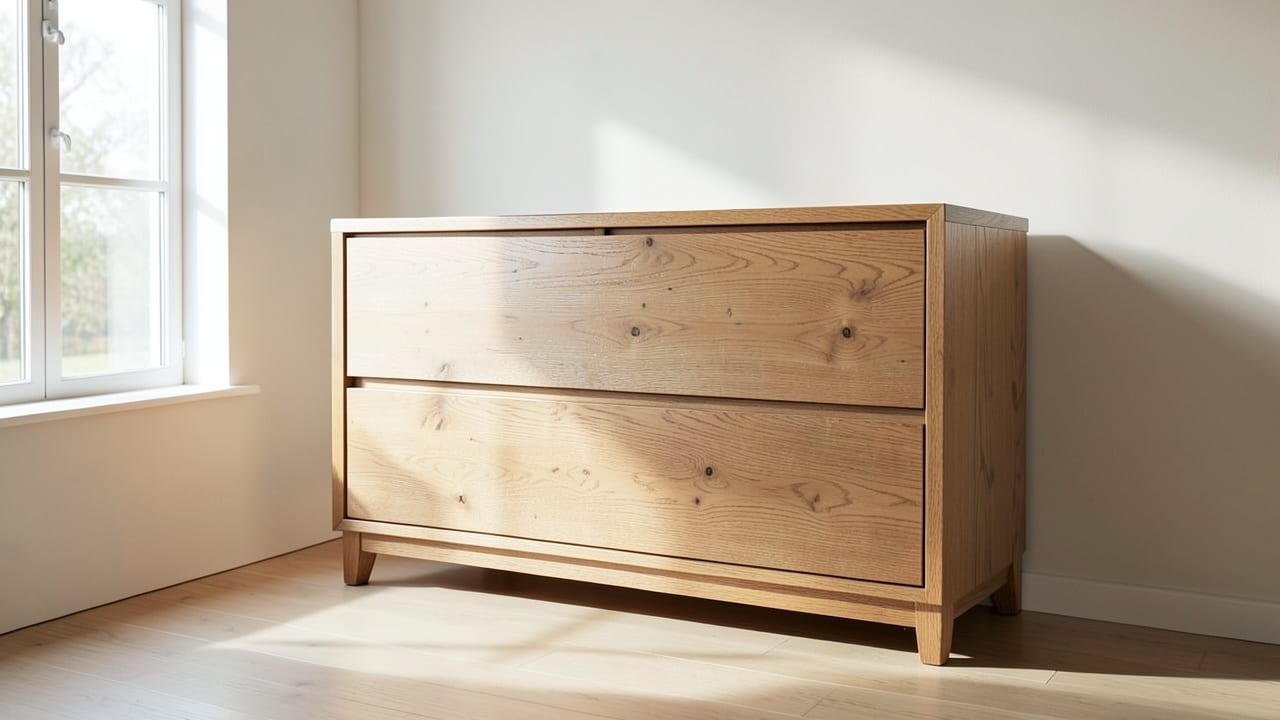
Wood Furniture Mold Remediation in Belleair Beach, FL
Professional removal and treatment of mold from wood furniture to restore safety and appearance.
Learn More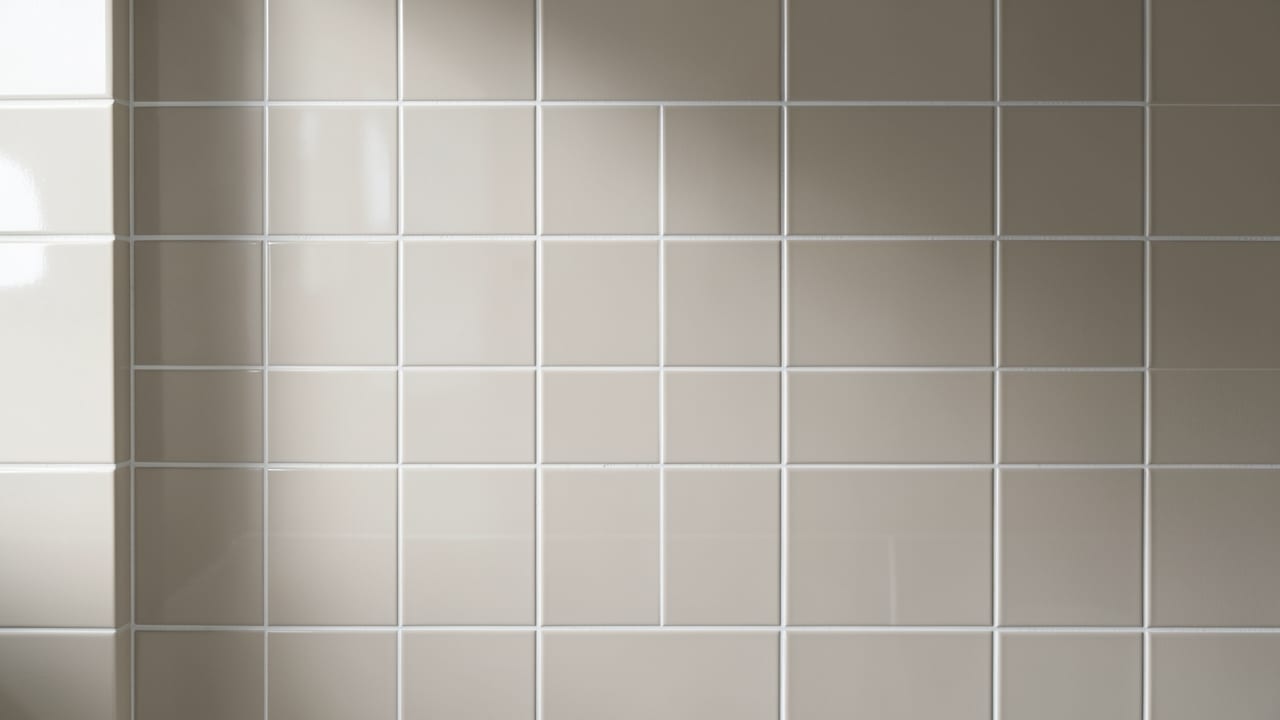
Tile & Grout Mold Cleanup in Belleair Beach, FL
Professional removal of mold from tile and grout surfaces in bathrooms, kitchens, and other tiled areas.
Learn More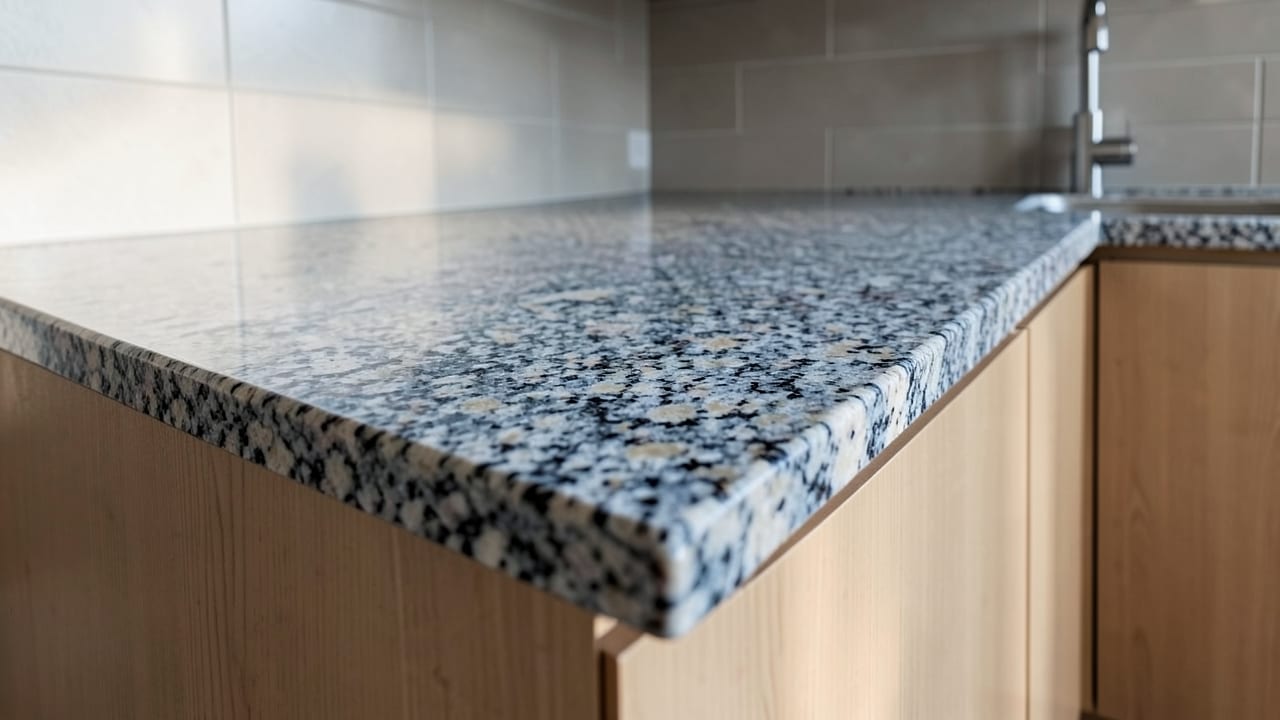
Stone Countertop Mold Removal in Belleair Beach, FL
Professional removal of mold from stone countertops using specialized cleaning and treatment methods.
Learn More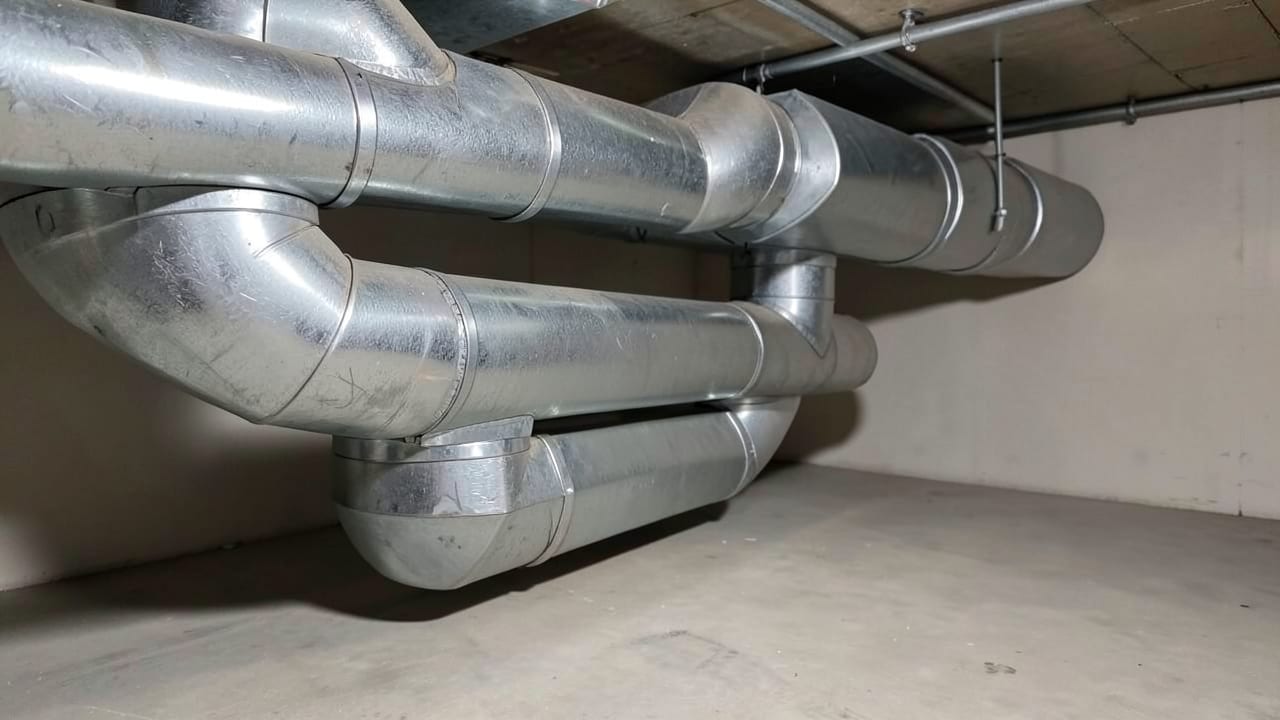
Metal Ductwork Mold Remediation in Belleair Beach, FL
Professional removal of mold from metal ductwork to restore indoor air quality.
Learn More
Glass Window Mold Removal in Belleair Beach, FL
Professional removal of mold from glass windows and frames to restore clarity and prevent spread.
Learn MoreCommon Questions About Mold Remediation in Belleair Beach
Everything you need to know about mold remediation services in Belleair Beach
How much does Vinyl Flooring Mold Treatment typically cost in Belleair Beach, FL?
Why does Belleair Beach, FL's humidity make mold a bigger risk than in drier regions?
How long does a typical mold remediation job take?
Is it safe to stay in the home during mold remediation?
Can small mold problems be handled without hiring anyone?
What's the actual difference between mold removal and mold remediation?
Need Mold Remediation in Belleair Beach?
Connect with local providers in Belleair Beach for a detailed quote.
⏰ We answer your call • Serving all of Belleair Beach and surrounding areas