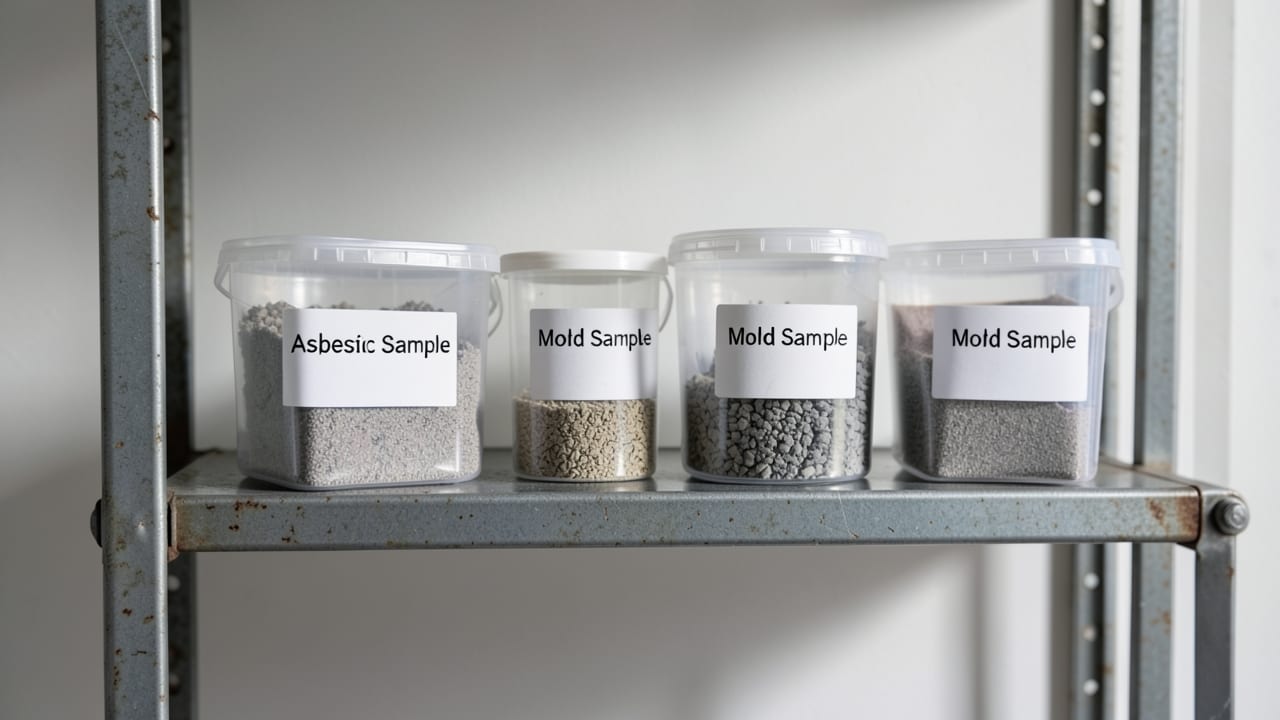
Mold & Asbestos Testing
Combined mold and asbestos testing in Belleair Beach, FL — one inspection visit, lab-verified results for both.
In Belleair Beach, FL, our mold and asbestos testing service provides a comprehensive environmental assessment for homes, especially pre-1980s properties. We combine mold inspection with asbestos sampling during a single visit to deliver a full property health report from accredited labs.
Why test for mold and asbestos together
Homeowners and buyers in Belleair Beach often need both mold and asbestos testing to make informed decisions about renovations or purchases. Since these issues frequently coexist, a combined inspection saves time and ensures no environmental risks are overlooked.
We also handle Commercial Mold Remediation and Mold Prevention & Moisture Control for Belleair Beach properties.
The same inspection visit that collects air and surface samples for mold can efficiently gather suspect materials like popcorn ceiling texture or old floor tiles for asbestos analysis. This approach streamlines the process while maintaining accuracy.
Signs You May Need Testing
- Visible mold growth or musty odors in the home
- Peeling, crumbling, or damaged materials in homes built before the 1980s
- Planning renovations that may disturb old insulation, flooring, or ceiling textures
- Pre-purchase inspection for older properties in Belleair Beach
Pricing and what affects cost
Pricing for mold and asbestos testing in Belleair Beach varies based on the number of samples required. A standard mold inspection can be bundled with asbestos testing, or you can opt for a standalone asbestos-only test.
| Factor | Impact on Pricing |
|---|---|
| Number of samples collected | More samples increase lab processing costs |
| Bundled vs. standalone service | Bundling mold and asbestos testing is often more cost-effective |
| Property size and accessibility | Larger or hard-to-access areas may require additional samples |
Accredited lab standards you can trust
All mold and asbestos samples are sent to independent, accredited third-party labs for analysis. This ensures unbiased results, whether you're testing for mold in air samples or asbestos in material samples like pipe insulation or flooring.
Because lab results come from an independent third party, you can trust that there’s no incentive to report problems that don’t exist.
How mold & asbestos testing works
Our process is designed to be thorough yet minimally invasive.
- 1Initial Consultation
We discuss your concerns and the scope of testing needed, whether for mold, asbestos, or both.
- 2On-Site Inspection
A technician conducts a visual walkthrough and collects air, surface, or material samples (e.g., popcorn ceiling, floor tiles) without unnecessary disturbance.
- 3Sample Submission
Samples are sent to an accredited lab for analysis, using polarized light microscopy for asbestos and standard methods for mold.
- 4Results & Recommendations
You receive independent lab reports with clear results and next steps, such as remediation or further testing.
Frequently asked questions
How long does it take to get results from mold and asbestos testing?
Lab processing typically takes 3-5 business days for both mold and asbestos samples. We’ll provide a timeline during your consultation.
Is asbestos testing necessary if my home was built after the 1980s?
While asbestos use declined after the 1980s, it wasn’t fully banned in all products. If you suspect older materials may still be present, testing is the only way to confirm.
Can I test for mold and asbestos separately?
Yes, you can choose standalone testing for either mold or asbestos. However, bundling both during the same visit is often more efficient and cost-effective.
Do you offer remediation if mold or asbestos is found?
We specialize in testing and reporting. If issues are detected, we’ll refer you to trusted remediation professionals in Belleair Beach.
Where Belleair Beach sits, and what the Census lists nearby
Belleair Beach sits in Florida, and the closest places listed in the U.S. Census Gazetteer are Belleair Shore (1.1 miles southwest), Belleair Bluffs (1.3 miles southeast), Belleair (1.5 miles east), Harbor Bluffs (1.7 miles south).
Within 25 miles of Belleair Beach the same source lists 55 distinct incorporated places and census-designated places.
Those figures matter for mold & asbestos testing because they are straight-line distances between Census coordinate points: road mileage between Belleair Beach and Belleair Shore runs longer than the 1.1 miles shown, which is why quotes for the same job differ between towns that look close together on a map.
Source: U.S. Census Bureau Gazetteer.
See West Lealman, FL for more, or browse everything on offer in Belleair Beach from start to finish for our complete lineup.
Ready to get started?
Talk to a local mold remediation pro in Belleair Beach — get a written quote.
Other Mold Remediation Services in Belleair Beach
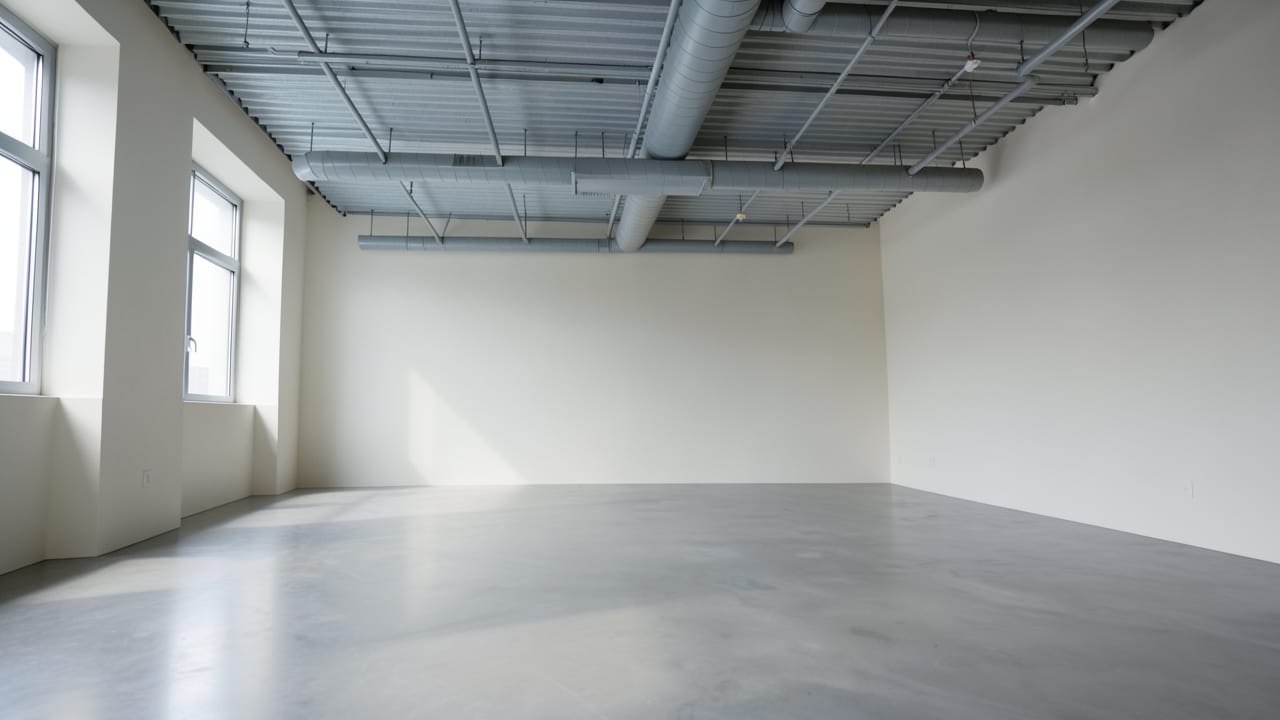
Commercial Mold Remediation in Belleair Beach, FL
Commercial mold inspection and remediation in Belleair Beach, FL for offices, retail space, and multi-unit properties, scheduled around business operations.
Learn More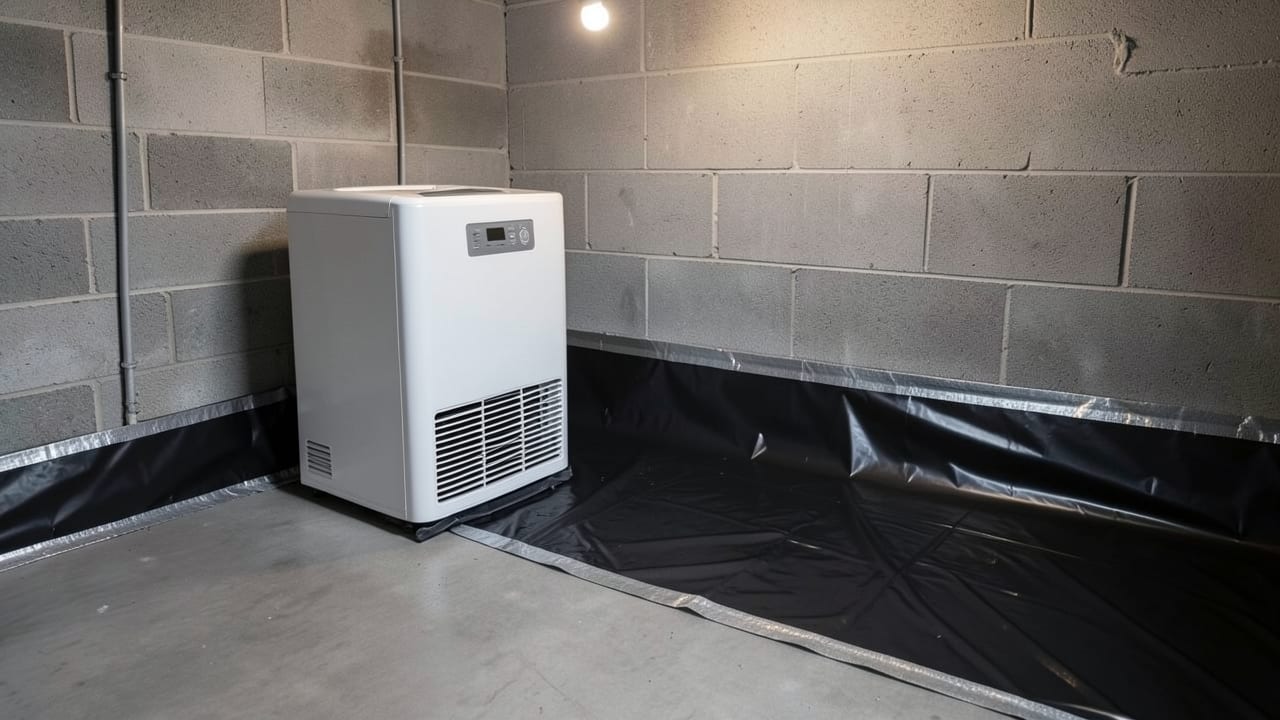
Mold Prevention & Moisture Control in Belleair Beach, FL
Mold prevention and moisture control in Belleair Beach, FL — addressing ventilation, humidity, and drainage before growth starts, not after.
Learn More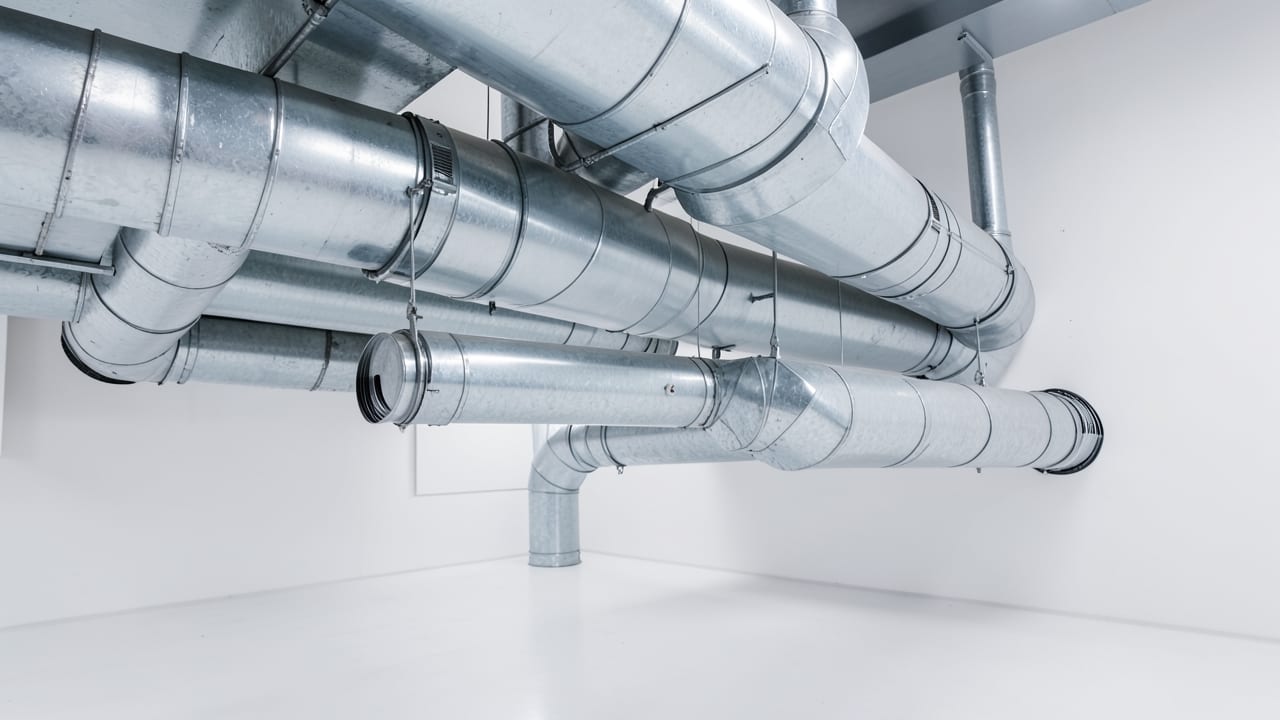
HVAC Mold Remediation in Belleair Beach, FL
HVAC and ductwork mold remediation in Belleair Beach, FL — mold growing inside the air handler or duct system, spreading through every vent.
Learn More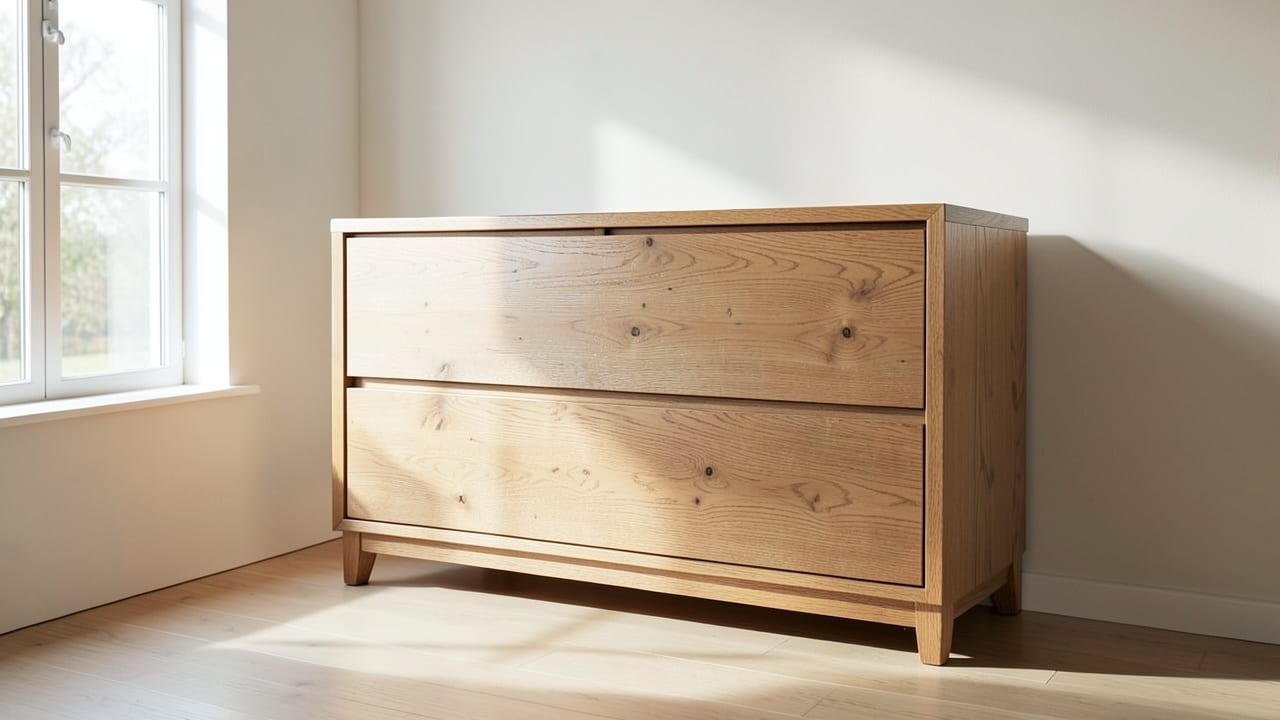
Wood Furniture Mold Remediation in Belleair Beach, FL
Professional removal and treatment of mold from wood furniture to restore safety and appearance.
Learn More
Tile & Grout Mold Cleanup in Belleair Beach, FL
Professional removal of mold from tile and grout surfaces in bathrooms, kitchens, and other tiled areas.
Learn More
Vinyl Flooring Mold Treatment in Belleair Beach, FL
Professional mold treatment and removal for vinyl flooring in homes.
Learn MoreCommon Questions About Mold Remediation in Belleair Beach
Everything you need to know about mold remediation services in Belleair Beach
How much does Mold & Asbestos Testing typically cost in Belleair Beach, FL?
Why does Belleair Beach, FL's humidity make mold a bigger risk than in drier regions?
How does mold remediation actually prevent the problem from coming back?
Can mold growing inside HVAC ductwork spread to the rest of a home?
Does mold mean the same thing as mildew?
Does homeowners insurance typically cover mold remediation?
Need Mold Remediation in Belleair Beach?
Connect with local providers in Belleair Beach for a detailed quote.
⏰ We answer your call • Serving all of Belleair Beach and surrounding areas