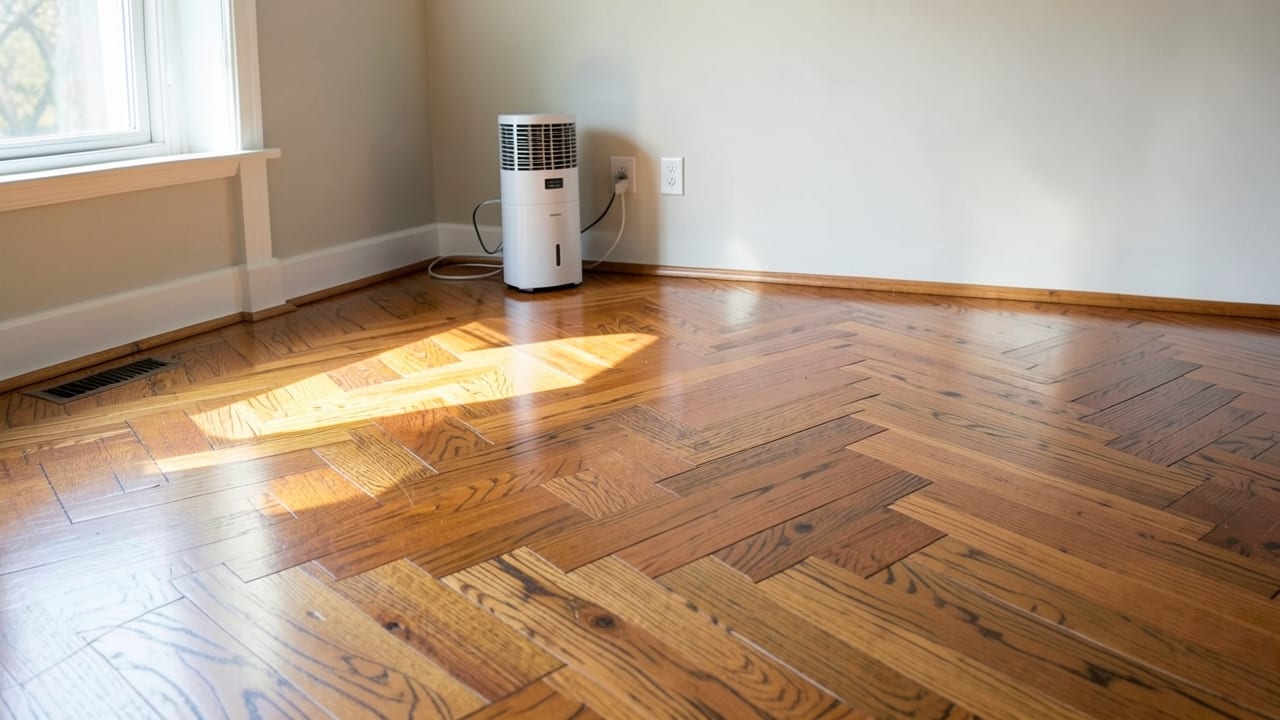
Pet Urine Mold Treatment
Professional removal of mold caused by pet urine in homes, including assessment and treatment.
Pet urine mold in Belleair Beach homes often hides in carpets, subflooring, and walls, creating lingering odors and health concerns. Proper treatment requires containment, removal of affected materials, HEPA filtration, and moisture control to prevent regrowth. Florida’s strict licensing rules ensure professional remediation follows state-mandated protocols for safety and effectiveness.
When pet urine mold needs professional treatment
Pet urine mold in Belleair Beach homes often starts small but can spread quickly if moisture and organic waste remain. A musty smell, visible stains, or mold returning after cleaning are clear signs the problem has gone beyond surface-level cleanup.
We also handle Metal Ductwork Mold Remediation and Glass Window Mold Removal for Belleair Beach properties.
Florida law treats mold covering 25+ contiguous square feet as requiring a licensed remediator, but hidden growth—especially under flooring or in walls—often exceeds that threshold before it’s visible.
Rooms with poor airflow, like windowless bathrooms or basements, are high-risk areas. If mold keeps reappearing in the same spot, it usually means the moisture source (like a leak or high humidity) hasn’t been addressed.
A strong odor when the HVAC runs suggests ductwork contamination, which spreads spores throughout the home.
Signs You Need Professional Pet Urine Mold Treatment
- Mold covers more than a small, isolated patch (especially 25+ square feet or hidden behind walls/flooring).
- The musty smell gets stronger when the HVAC system turns on (indicating ductwork contamination).
- Visible mold returns within weeks after cleaning, suggesting the moisture source wasn’t fixed.
- You notice black or yellowish stains on carpets, drywall, or subflooring—common with pet urine mold.
How pricing and scope affect your project
Pet urine mold treatment in Belleair Beach is typically priced per project, not by a fixed rate, because each job depends on the affected area’s size, material types (e.g., carpet vs. drywall), and whether hidden growth exists.
Enzymatic treatments for odors or subfloor drying may add to the cost, as might subcontracting specialists for structural repairs or pest control if needed.
Florida law requires containment, HEPA filtration, and clearance testing—steps often billed separately. Always confirm whether a quote includes inspection, remediation, *and* post-treatment verification. Skipping these steps can lead to incomplete removal or regrowth, requiring additional work later.
Why containment and testing matter
During remediation, plastic sheeting and negative-air machines seal off the work area to prevent spores from spreading to unaffected rooms via hallways or HVAC returns.
Porous materials like carpet padding or drywall—where mold grows *into* the material—are usually cut out and disposed of, while non-porous surfaces (tile, metal framing) are scrubbed and treated.
HEPA air scrubbers run continuously to capture spores, and surfaces are vacuumed with HEPA-equipped tools. Without these, standard vacuums or non-HEPA filters recirculate spores, undoing the removal. Post-treatment, an independent clearance test confirms spore counts are back to normal before containment is removed.
A torn plastic barrier, open door, or failed negative-air pressure lets spores drift into clean areas, turning a contained job into a larger, more expensive one. Always verify the crew maintains proper sealing during work.
How pet urine mold treatment works
Professional remediation follows Florida’s containment, removal, and testing protocols to safely eliminate hidden mold.
- 1Containment Setup
Plastic sheeting and negative-air machines seal the affected area, preventing spores from spreading to other rooms during removal.
- 2Material Removal or Cleaning
Porous materials (carpet padding, drywall) are cut out if mold has penetrated them, while non-porous surfaces (tile, metal) are scrubbed and treated.
- 3HEPA Filtration and Drying
HEPA air scrubbers run continuously, and industrial dehumidifiers dry framing/subflooring to prevent moisture-driven regrowth.
- 4Clearance Testing
An independent lab tests air or surfaces post-remediation to confirm spore levels are back to normal before containment is removed.
Frequently asked questions
Can I clean pet urine mold myself if it’s a small area?
Surface-level mold in a small, isolated patch (under 25 sq ft) *might* be cleaned with vinegar or enzymatic cleaners, but pet urine mold often hides in subflooring or walls. If the smell or stains return, professional remediation is needed to address hidden growth and moisture sources.
Why does my HVAC smell musty even after cleaning carpets?
Musty HVAC odors often mean mold has grown inside ductwork, spreading spores throughout the home. Duct cleaning or treatment may be required in addition to surface remediation.
Will treating pet urine mold fix the odor permanently?
Odor control depends on removing all mold and fixing moisture issues (like leaks or high humidity). Enzymatic treatments help neutralize lingering smells, but regrowth is likely if the source isn’t addressed.
Do I need to leave the house during remediation?
Yes. Containment and HEPA filtration create a sealed work zone, but spores can still be stirred up. Occupants are typically asked to leave until clearance testing confirms the area is safe.
Where Belleair Beach sits, and what the Census lists nearby
Belleair Beach sits in Florida, and the closest places listed in the U.S. Census Gazetteer are Belleair Shore (1.1 miles southwest), Belleair Bluffs (1.3 miles southeast), Belleair (1.5 miles east), Harbor Bluffs (1.7 miles south).
Within 25 miles of Belleair Beach the same source lists 55 distinct incorporated places and census-designated places.
Those figures matter for pet urine mold treatment because they are straight-line distances between Census coordinate points: road mileage between Belleair Beach and Belleair Shore runs longer than the 1.1 miles shown, which is why quotes for the same job differ between towns that look close together on a map.
Source: U.S. Census Bureau Gazetteer.
See Bay Pines, FL for more, or check out the mold remediation work we do around Belleair Beach on a single page for our complete lineup.
Ready to get started?
Talk to a local mold remediation pro in Belleair Beach — get a written quote.
Other Mold Remediation Services in Belleair Beach
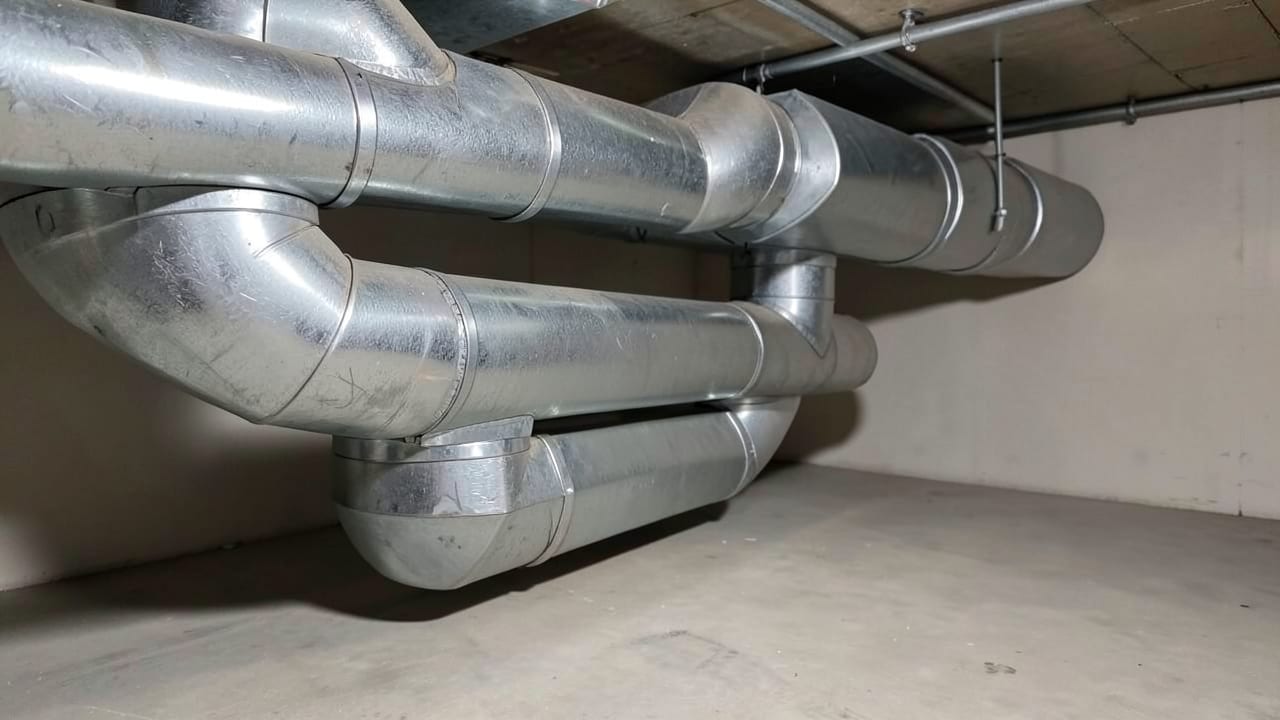
Metal Ductwork Mold Remediation in Belleair Beach, FL
Professional removal of mold from metal ductwork to restore indoor air quality.
Learn More
Glass Window Mold Removal in Belleair Beach, FL
Professional removal of mold from glass windows and frames to restore clarity and prevent spread.
Learn More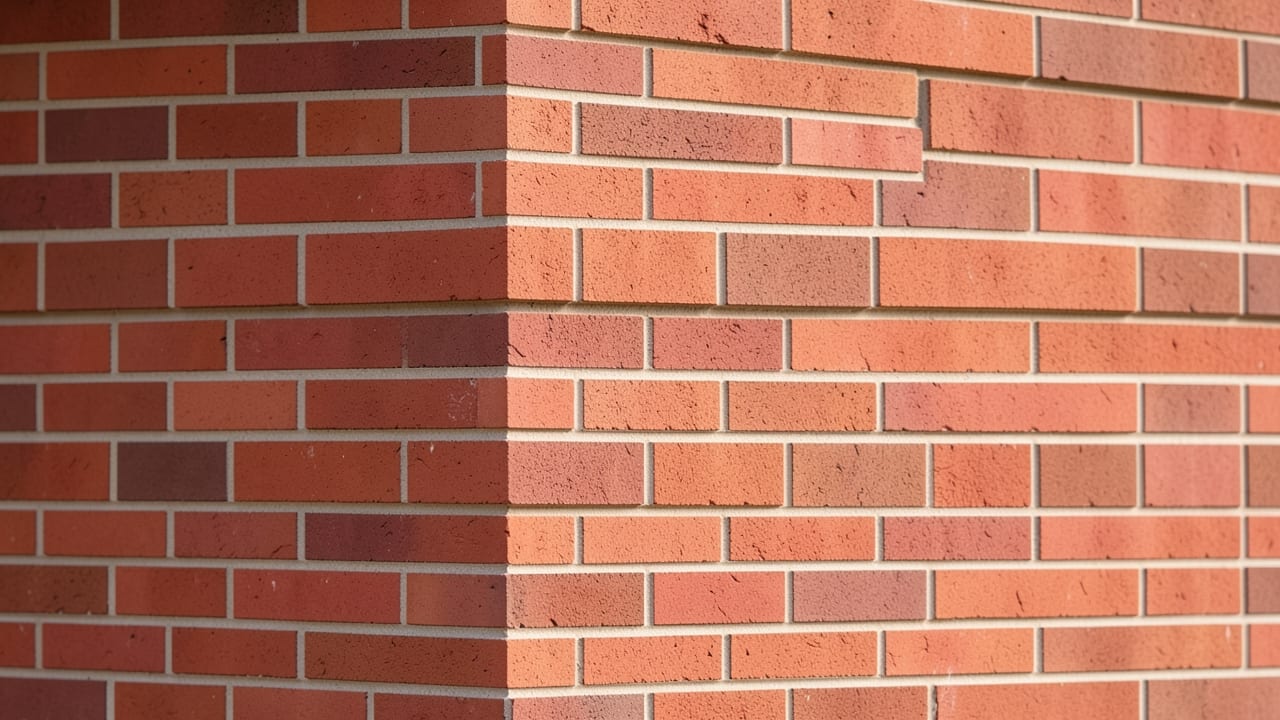
Brick Masonry Mold Treatment in Belleair Beach, FL
Professional mold treatment and removal from brick masonry to restore structural integrity and indoor air quality.
Learn More
Stairwell Mold Remediation in Belleair Beach, FL
Professional mold removal and prevention in stairwells to restore safe, clean spaces.
Learn More
Balcony Mold Cleanup in Belleair Beach, FL
Professional removal and treatment of mold growth on balconies and adjacent structures.
Learn More
Sunroom Mold Remediation in Belleair Beach, FL
Professional removal and treatment of mold in sunrooms to restore a safe, clean space.
Learn MoreCommon Questions About Mold Remediation in Belleair Beach
Everything you need to know about mold remediation services in Belleair Beach
How much does Pet Urine Mold Treatment typically cost in Belleair Beach, FL?
Why does Belleair Beach, FL's humidity make mold a bigger risk than in drier regions?
Can small mold problems be handled without hiring anyone?
What's the actual difference between mold removal and mold remediation?
Is a final clearance test part of a typical mold remediation job?
How does mold remediation actually prevent the problem from coming back?
Need Mold Remediation in Belleair Beach?
Connect with local providers in Belleair Beach for a detailed quote.
⏰ We answer your call • Serving all of Belleair Beach and surrounding areas